


In the Sahel desert of West Africa, amidst the scorching heat and relentless sand dunes, thrives a nomadic tribe known for their remarkable resilience, intriguing culture, and distinct rituals. This tribe is the Wodaabe, a subgroup of the Fulani people spread across countries like Niger, Nigeria, Cameroon, and Chad.
The Wodaabe are renowned for a unique and colorful festival known as the Gerewol — a significant annual event that beautifully encapsulates the essence of their vibrant traditions.
The Wodaabe, meaning "people of the taboo," are predominantly pastoralists, leading lives intricately tied to their cattle, which they regard as both a sign of wealth and a livelihood source. The Wodaabe tribe has managed to preserve its age-old traditions and rituals, standing as a testament to cultural endurance in the ever-changing modern world.
Among these numerous traditions, the Gerewol festival stands out as the most captivating, gaining international attention for its dramatic performances and reverse beauty pageants. The Gerewol, usually held at the end of the rainy season in September, is an annual week-long event primarily organized to facilitate courtship and marriage among the tribe's young people.
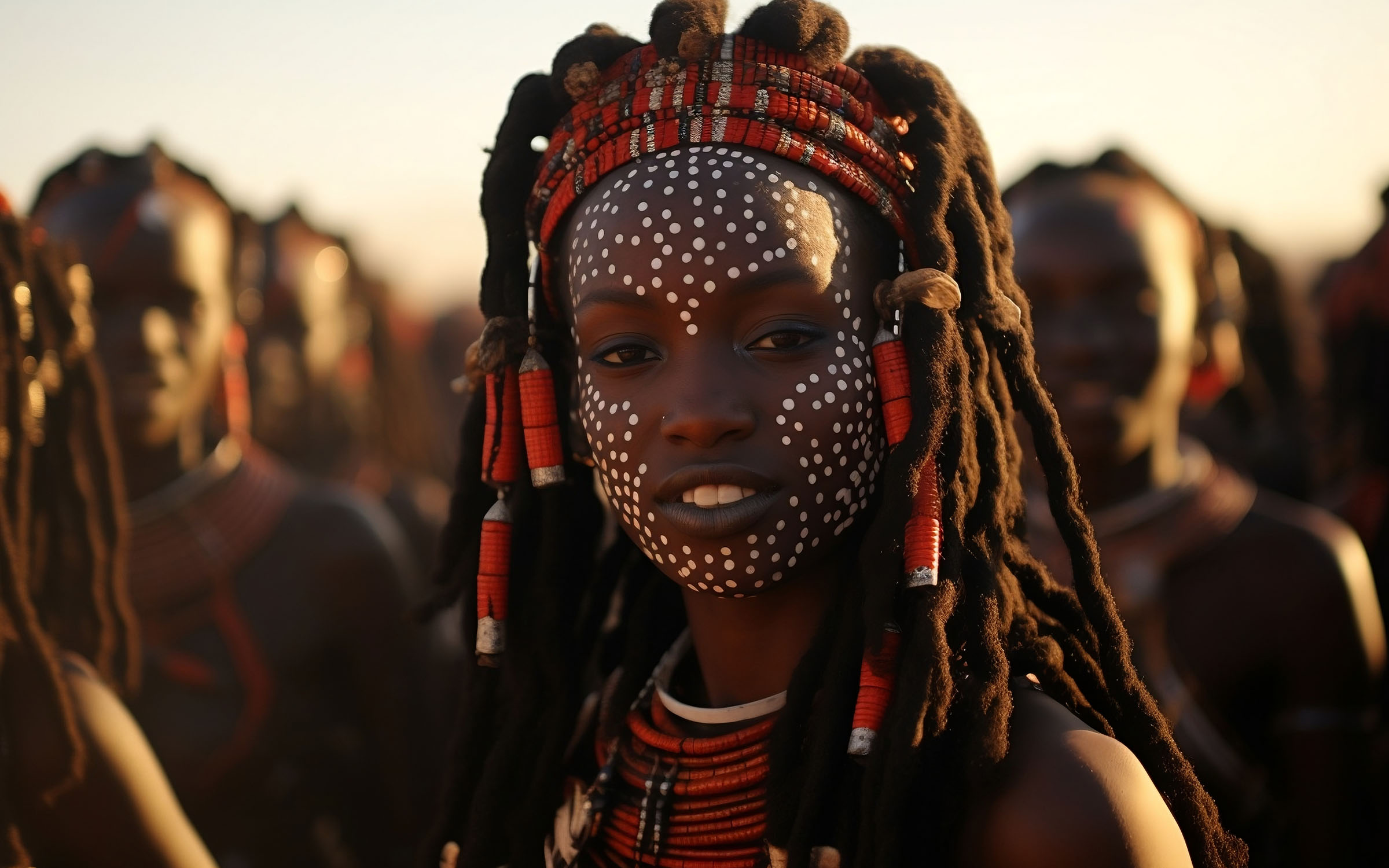
The Gerewol festival is notable for the roles the men and women play, marking a departure from many traditional courtship rituals worldwide. The men, adorned in vibrant makeup and traditional regalia, engage in competitive dancing and singing to attract the attention and favor of the women. Their faces are painted with red, yellow, and white clay, while their eyes and teeth are accentuated to create a compelling and somewhat hypnotic effect. These adornments, complemented by their meticulously arranged traditional attire, embody a unique standard of beauty in Wodaabe culture.
The dance, known as Yaake, is a riveting display of stamina, charm, and artistry. The men form lines, synchronizing their movements to the rhythm of tribal songs, while showcasing their best attributes. They roll their eyes and flash their teeth, demonstrating what the Wodaabe consider signs of good health and vigor. This performance can last for hours, often running late into the night.

Interestingly, it is the women who hold the decision-making power in the Gerewol festival. After carefully watching the performances, they choose the man they find most attractive, often leading to courtship and occasionally, marriage. It's an empowering event that recognizes women's agency in choosing their partners, which is still a rare phenomenon in many parts of the world.
The Gerewol festival serves as more than just a match-making event. It is a significant social gathering where friendships are renewed, and community ties are strengthened. Moreover, it's a testament to the tribe's resilience, highlighting their commitment to maintaining and celebrating their cultural heritage despite the numerous challenges they face, including political conflicts, climate change, and socio-economic issues.
The Wodaabe tribe and their remarkable Gerewol festival offer an insightful peek into a unique cultural perspective, reflecting a vibrant world where beauty standards are flipped, women hold considerable power, and community bonds are paramount. Their story is a fascinating reminder of the rich tapestry of human cultures across the globe and the enduring power of tradition in shaping societies.


