


In the vast desert lands, along the fertile banks of the Nile, the ancient Egyptian civilization flourished for millennia, a rich tapestry of culture, religion, and society. A vibrant aspect of this fascinating tapestry that often lies unexplored and unspoken of is their views and practices regarding sexuality.
When it comes to the intimate arena of sexual dynamics, the ancient Egyptians proved to be a society far removed from prudish stereotypes.
Unlike many civilizations of their time, and even several that followed, the Egyptians possessed an unapologetically frank and open attitude towards sexuality. This fact was visibly mirrored in various aspects of their daily life, religion, and artistic culture. The expression of sexuality was neither considered immoral nor offensive, but rather a fundamental part of human nature and an essential aspect of creation.
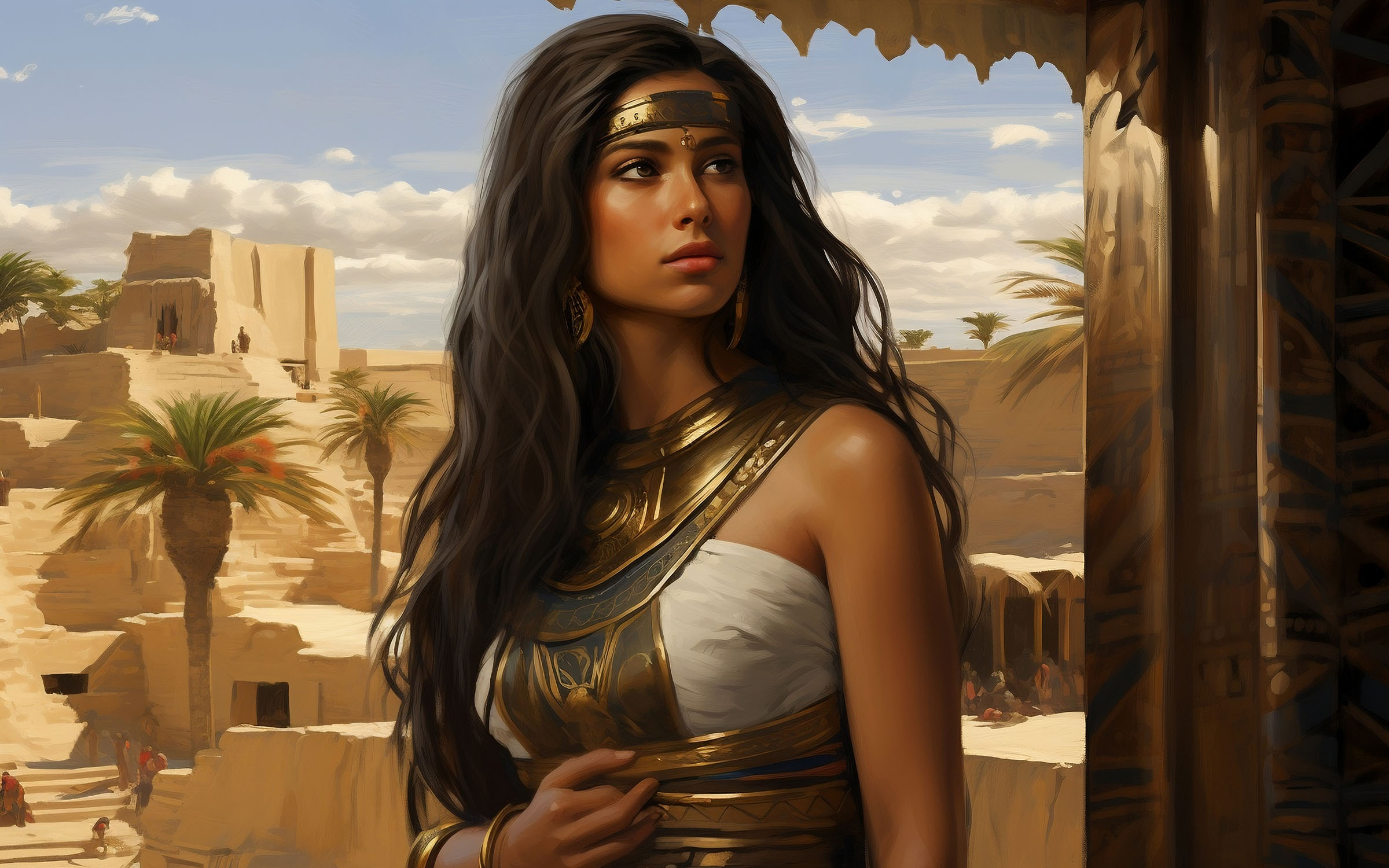
Egyptian art, a significant informant of their societal norms, is teeming with sensual images that depict both heterosexual and homosexual relationships. Conveyed with raw honesty and sensitivity, these images reveal the multi-faceted Egyptian view of love, desire, and pleasure. However, eroticism in ancient Egyptian art was more than just a reflection of physical attraction. It also served as a potent symbol for fertility, resurrection, and eternal life – ideas that were of utmost importance in their cosmology.
Sexual education was not regarded as taboo in ancient Egypt. Papyri such as 'The Turin Erotic Papyrus', dating back to the Ramesside Period (1292-1075 BC), offers an amusing yet candid peek into the erotic lives of the Egyptians. A significant portion of this papyrus portrays various sexual positions, which are interspersed with what appear to be light-hearted, humorous dialogues. These papyri might have functioned as a form of sex education, guiding newlyweds through the sensual mysteries of the marital bed.
The ancient Egyptians also seemed to have had a firm grasp of contraceptive and fertility-enhancing techniques, which are documented in medical texts such as the Ebers Papyrus and Kahun Gynaecological Papyrus. Ingredients like crocodile dung, honey, and acacia were used to create contraceptive concoctions, signifying their understanding of family planning and a woman's reproductive rights.
However, sexuality was not just limited to the earthly realm but was interwoven with Egyptian spirituality. The mythology brimmed with sensual narratives, where gods engage in love affairs, flirtations, and sexual encounters. The tale of Isis and Osiris, for instance, holds profound implications of resurrection and renewal, but at its core, it's a story of sexual union and the life it engenders.
On the other hand, sexual misconduct, as depicted in the 'Tale of Two Brothers', was frowned upon, suggesting the existence of a moral code surrounding sex. Adultery, especially on the part of a woman, was generally deemed unacceptable. Interestingly, despite their open approach to sexuality, ancient Egyptians upheld principles of fidelity and respect in sexual relationships.
While the art, literature, and religious narratives present a vivid picture, it is crucial to note that the majority of the surviving records come from the elite, educated classes. The actual practices and beliefs of common people might have varied widely and remain, to an extent, shrouded in the sands of time.
The ancient Egyptians' attitudes towards sexuality, imbued with respect, humor, and spirituality, challenge our preconceived notions of ancient societies. Their understanding of the dynamics of sex was nuanced and mature, viewing it as a fundamental, life-affirming act. They created a safe space for sexual expression and education, a precedent that still holds lessons for contemporary societies.
In essence, the sex lives of the ancient Egyptians - complex, candid, and replete with symbols - cast illuminating light on a civilization that respected and reveled in the pleasures of the flesh and the soul. Their beliefs underscore a primal truth that resonates across time and cultures - the inherent beauty and power of human sexuality. In the spirit of exploration, delving into this realm of ancient sensuality not only helps us understand our past but also redefines our perceptions about the dynamics of sex and love.


