


Nestled in the serene countryside of Dorset, England, the Cerne Abbas Giant is a peculiar enigma that has provoked fascination and intrigue for centuries. This unique hill figure, shaped like a giant man wielding a club, is not just a local oddity; it's an internationally recognized symbol of antiquity. But despite its popularity, the Cerne Abbas Giant remains an enigma shrouded in mystery.
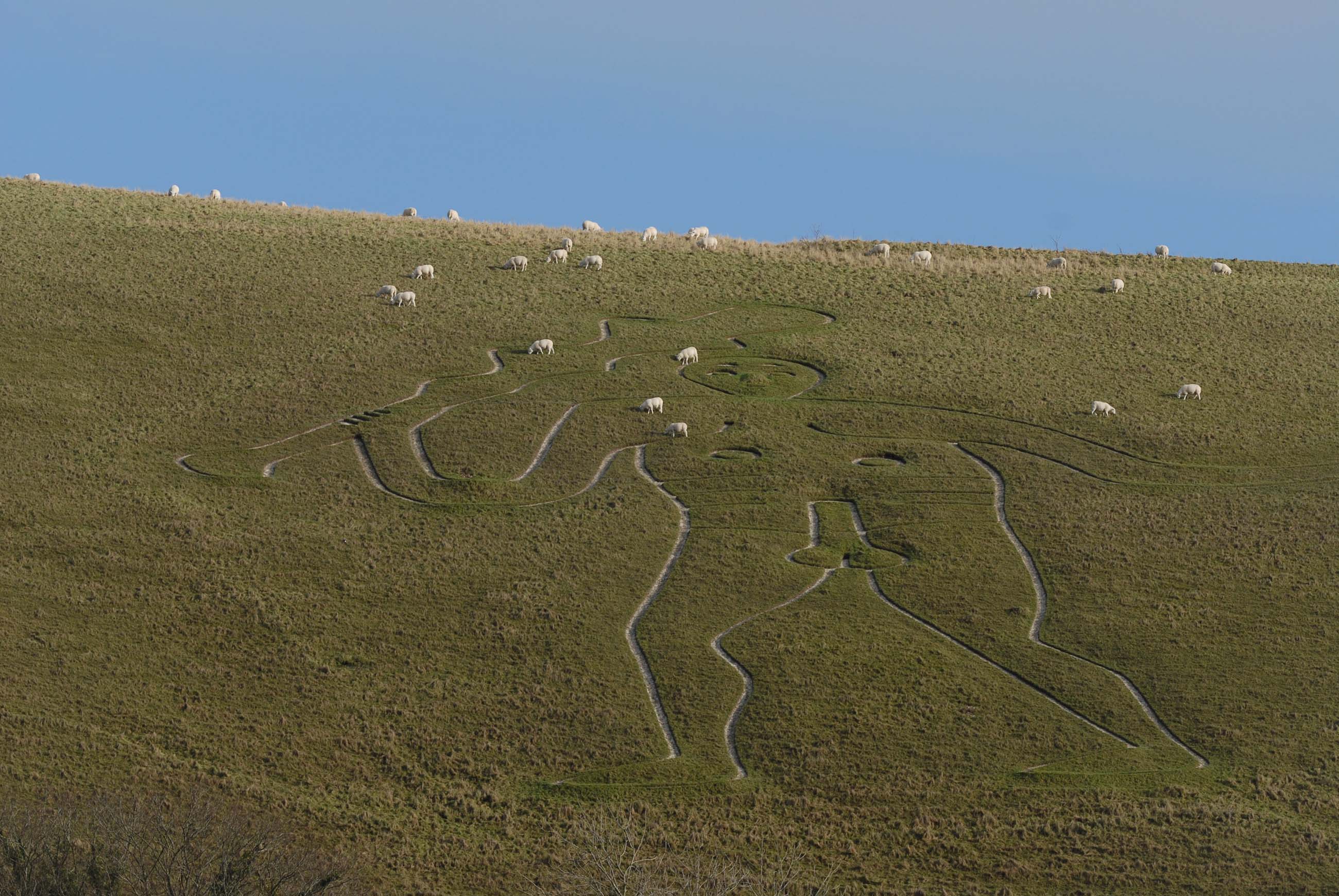
The figure, standing an impressive 180 feet tall, is carved into the chalk hills of Dorset. It is typically described as a nude male figure, brandishing a club in his right hand, with certain ‘anatomical’ features greatly exaggerated, making it a subject of ribald humor and speculation. The mere existence of this behemoth is an oddity; its age, purpose, and origins are even more bizarre.
The first written record of the Cerne Abbas Giant appears as late as 1694, although some believe it is far older, possibly dating back to Roman or even prehistoric times. Theories about its origin range from being a representation of the ancient Celtic god Cernunnos, to a caricature of Oliver Cromwell by his royalist enemies, to a symbol of ancient fertility rites. Others speculate it might be Hercules, a popular figure in Greco-Roman iconography.

The figure's age is a source of ongoing debate among archaeologists. Early antiquarians suggested it was ancient, perhaps even Bronze Age. In contrast, more recent historical research suggests it may have been carved in the 17th century. Unfortunately, the lack of physical evidence means that these theories remain mere speculations, adding to the figure's enigmatic charm.
The Cerne Abbas Giant is also known for its reputed magical properties, specifically related to fertility. Local lore suggests that couples struggling to conceive should spend a night on the figure's significantly pronounced phallus. Despite the obvious awkwardness of this ritual, many couples have reported successful pregnancies following their nocturnal visit. Whether this is due to the giant's magical powers or the placebo effect is another unsolved mystery.
The maintenance of the figure is a community affair. It requires regular re-chalking to ensure it remains visible. In this bizarre biennial event, volunteers armed with buckets of chalk and hammers descend on the giant to refresh its appearance. This fascinating maintenance ritual only adds to the figure's mystique, marking it as an oddity not just in appearance, but also in the manner of its preservation.
Interestingly, the Cerne Abbas Giant has also become a focus for modern protest and commercial interests. It has been altered in various ways for both political statements and publicity stunts. For instance, in 2007, the figure was adorned with a gigantic Homer Simpson in briefs wielding a doughnut to promote "The Simpsons Movie," sparking outrage among purists who felt this was a desecration of a national heritage site.
In 2020, the figure was given a facemask as part of a campaign to encourage people to use face coverings during the Covid-19 pandemic. It demonstrated that even centuries-old oddities can play a role in modern narratives, prompting debates about cultural heritage and contemporary issues.
The Cerne Abbas Giant is more than just a chalk figure on a hillside. It is a symbol of mystery and fascination, evoking images of ancient rituals, community spirit, and the intersection of past and present. Theories about its age and purpose only add to its appeal, transforming it from a historical oddity to a conversation piece that continues to captivate locals and tourists alike.
Whether the Giant is the embodiment of an ancient deity, a political caricature, or a beacon for fertility doesn't detract from its enigmatic charm. Its mystery is its allure, and as it continues to command the hills of Dorset, the Cerne Abbas Giant remains a testament to the oddities of our shared history, leaving us all to wonder about its true origins.


