


The pitcher plant, a unique and captivating addition to any home garden and it resembles a penis, is a carnivorous wonder that can bring life and intrigue to your living space.
This article delves into the mysterious world of the pitcher plant, exploring its growth, nutrition, reproduction, and care requirements. If you're a home gardener looking to add this fascinating specimen to your collection, read on to learn about the plant's lifespan and how to provide the best care for it.
Growth and Nutrition:
Pitcher plants belong to the family Nepenthaceae and the genus Sarracenia, encompassing several species that thrive in various environments. These plants are characterized by their modified leaves, which form pitchers designed to attract, trap, and digest insects for nutrition.
In the wild, pitcher plants often grow in nutrient-poor soils, necessitating their carnivorous adaptations. The pitchers produce a nectar-like substance that lures insects to their doom. Once trapped, the insects drown in the digestive fluids at the bottom of the pitcher. The plant then absorbs the nutrients released during digestion, supplementing its nutrient intake from the soil.
Reproduction:
Pitcher plants reproduce through a combination of sexual and asexual reproduction methods. In the spring, the plants produce flowers on long stalks separate from the pitchers, reducing the risk of pollinators being captured. Insects pollinate the flowers, leading to the production of seeds, which can be sown to grow new plants.
Additionally, pitcher plants can reproduce asexually through vegetative propagation. This involves taking a cutting from a healthy plant and rooting it in an appropriate growing medium. This method is particularly useful for home gardeners, as it allows for the rapid multiplication of plants.
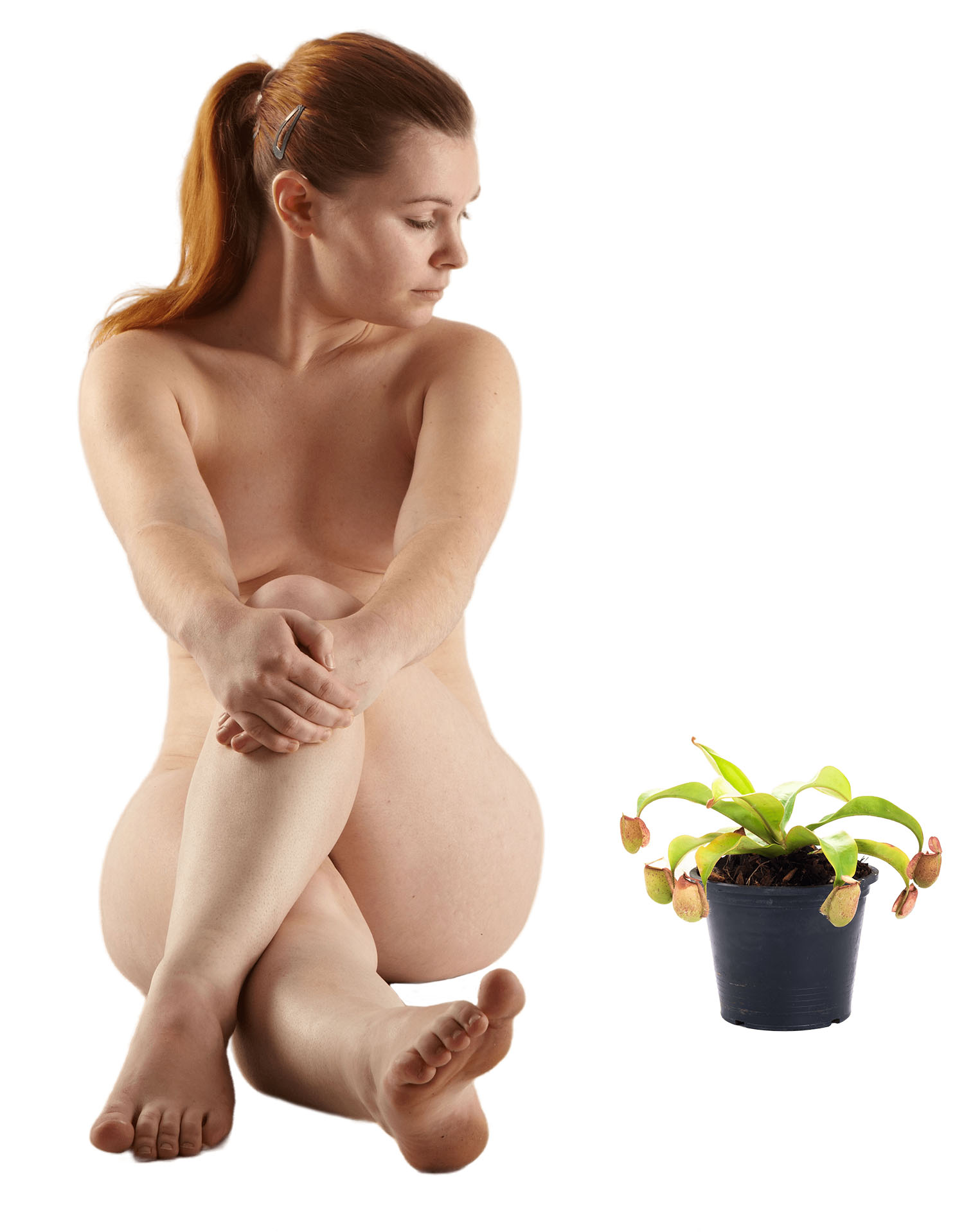
Caring for Pitcher Plants:
Caring for pitcher plants at home requires attention to their unique needs, which differ from those of typical houseplants. Consider the following guidelines to ensure your pitcher plant thrives:
- Soil: Use a well-draining, nutrient-poor soil mix, such as a combination of sphagnum peat moss and perlite or sand. Avoid using regular potting soil or fertilizers, as these can harm the plant.
- Water: Pitcher plants require consistently moist soil, so water them frequently with distilled, rain, or reverse osmosis water. Tap water often contains minerals that can be detrimental to the plant's health.
- Light: Provide bright, indirect light for your pitcher plant, as too much direct sunlight can scorch its leaves. A windowsill with filtered light or a spot under a grow light is ideal.
- Temperature: Most pitcher plants thrive in temperatures between 60-85°F (15-30°C). Some species may require a winter dormancy period with cooler temperatures and reduced watering.
- Feeding: While it's not necessary to feed your pitcher plant insects, doing so occasionally can promote healthy growth. Avoid using chemical insecticides, as they can harm the plant.
Lifespan:
With proper care, pitcher plants can live for several years, with some species even reaching a lifespan of 20 years or more. The plant's longevity largely depends on the species, growing conditions, and care provided.
The pitcher plant is a fascinating and rewarding addition to any home garden. Its carnivorous nature, unique growth habits, and captivating appearance make it a standout among other houseplants. By understanding its growth, nutrition, and reproduction, and providing proper care, you can ensure your pitcher plant lives a long, healthy life, bringing intrigue and beauty to your home for years to come.


