

Vaginal acne is not serious, but it can be annoying, unsightly, and painful. Pimples or blackheads in the genital area can appear due to shaving, humidity, tight clothing, poor hygiene, and other factors. They are a temporary change, although specific care must be applied to prevent scaring.
The appearance of pimples or acne in the vaginal area is not strange and is quite common. They are injuries that are not serious but can be very annoying and painful in some cases, depending on the severity, and can cause scarring. The worst part is that few areas are as sensitive as the female genital area and can have an unsightly appearance.
The causes can be several, although the most common is that they are caused by a condition called folliculitis. They can also be due to contact dermatitis or even a viral infection.
Why folliculitis can lead to vaginal acne
Folliculitis is caused by an obstruction and inflammation of the hair follicles. A superinfection of the same hair follicle frequently follows it. This obstruction causes pores to clog and inflame, leading to an infection of the clogged pore.
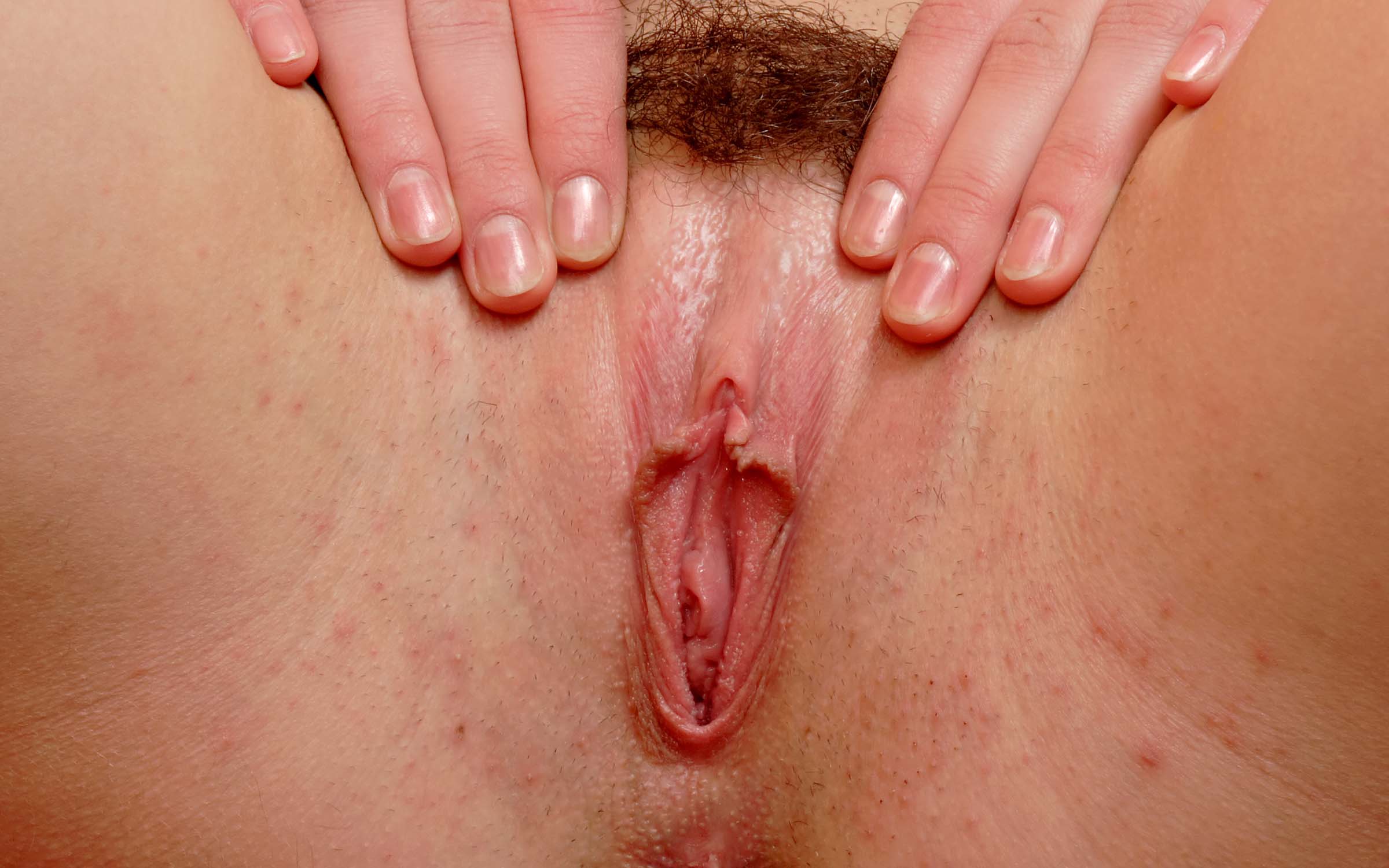
Normally it appears on the pubic mound or Mons Venus as typically known and on the labia majora and groin area between the legs. That is where the pubic hair appears and grows, although it can sometimes reach the buttocks.
The causes of folliculitis can be several:
- Depilation with a blade. As hair begins to grow in the follicle, it can roll up into the skin and eventually become infected by not being able to grow out of the follicle.
- Lack of hygiene in the intimate area, no cleansing adequately or at all for days, incorrect hygiene, and excess humidity.
- Thermal baths or hot pools favor the appearance of genital pimples.
- Prolonged antibiotic treatments can lead to acne in the genitals. They weaken the microbiome (group of microorganisms), both of the skin and of the vagina, which increases the proliferation of pathogens that can favor hair follicle infection.
- Manipulating clogged follicles in an attempt to burst them can also cause them to become infected and make the problem worse.
- Diets rich in milk or with a high glycemic index may also favor the condition, according to some studies.
- Strong perfumes or abrasive products in the genital area can cause irritation and the appearance of acne.
How to treat folliculitis and combat vaginal acne
There are several ways to treat folliculitis that will help combat vaginal acne and also prevent acne from appearing on the genitals. The first step is proper hygiene and identifying what is causing your problem.
Treating vaginal acne:
- Apply cleaning cloths moistened with hot water to the inflamed area and leave them to cool. Change the warm cleaning cloths for 10-15 minutes three times a day. It will clean the area and favor the opening of the follicle so that pus does not accumulate and can start to heal.
- Do not shave the area with a blade or depilatory cream until the episode of folliculitis has passed and your vaginal acne has cleared up. Don't touch the pimples either; this can spread bacteria, causing the infection to healthy follicles.
- Regarding the treatment, it will suffice to wash the area with gentle soap daily, with no harsh chemicals, and fragrance-free. Avoid acne soaps because they are too strong for the genital area and might worsen things.
- If there is a fungal infection, antifungal creams will be needed but should be prescribed by a specialist.
- See a doctor when vaginal acne is severe and continues getting worse.
Vaginal pimples from contact dermatitis
Vaginal pimples can also be caused by contact dermatitis, that is, a skin reaction to being in contact with something. Such as clothing articles that contain chemicals causing the reaction. Other chemicals in your bath soaps or changes you have made expose you to something that is reacting negatively and causing outbreaks.
The causes of contact dermatitis in the vaginal area can be:
- Bubble baths and soaps that contain fragrances.
- Feminine wipes, tampons, or panty liners.
- Spermicides, condoms, or lubricants.
- Detergents and fabric softeners.
In these cases, it is convenient to avoid the cause that causes dermatitis and apply hot washcloths when you have folliculitis so that the pimples do not become infected; clean and wash the area.
How to prevent vaginal acne
There are several things you can do to try and prevent vaginal acne. Suppose the pimples are due to folliculitis where the hair follicle becomes inflamed or atopic dermatitis such as a chronic skin condition. In that case, the following tips will help prevent outbreaks from recurring or becoming severe.
Suppose the causes of the acne are other, non-related to the previous two mentioned. In that case, it is also convenient to put them into practice to keep the intimate area in optimal conditions:
- Do not wear underwear; allow your genitals proper air circulation. Genitals were not designed to be covered up all day and night.
- Wear underwear made of natural fibers such as cotton when you need to.
- Avoid tight clothing, especially when exercising. You will reduce friction and humidity to help reduce the problems which cause vaginal acne.
- When you sweat, wash the area and, dry it well, let it air out.
- Laser hair removal is the best option if you prefer to keep this area hairless.
- Avoid bath gel in this area and use a hypoallergenic intimate hygiene cleaning gel. The genital area is very delicate, and strong soaps or perfumes cannot be used, as these aggravate the problem.